Toravel
── Process Archive  ·  Methodology Document  ·  Revision 04-C

FORMULATION PROCESS & STANDARDS

The Toravel methodology is a documented sequence of decisions — from regional ingredient sourcing through independent batch verification to the final serving composition. Each stage generates a record. Each record is archived.

01
Process Steps

The Seven-Stage Production Sequence

01
Stage One — Ingredient Selection

Research-Informed Ingredient Shortlisting

Each Toravel formulation begins with a review of published nutritional research. Ingredient candidates are assessed against documented reference values for nutritional intake in adult men. The shortlist is reviewed by the Toravel formulation team before supplier outreach begins. Only ingredients with a documented role in energy metabolism, immune function, or cognitive support are considered at this stage.

02
Stage Two — Supplier Evaluation

Regional Sourcing & Documentation Review

Active ingredients are sourced from documented suppliers whose facilities maintain food-grade processing standards. Each prospective supplier is evaluated against a standard Toravel supplier assessment form covering: chain-of-custody documentation, lot traceability, batch coding practice, and the quality of available certificates of composition. Suppliers without complete documentation are not retained in the Toravel supplier archive regardless of pricing.

03
Stage Three — Ratio Calibration

Elemental Profile Assembly

The elemental profile of each product is assembled as a system rather than a list of independent ingredients. Zinc is calibrated in relation to magnesium. Vitamin D3 is paired with K2. B-complex co-factors are distributed across the full range of their interactions. The ratio calibration document for each product is maintained as a live record — it is updated when ingredient supply changes or when new nutritional research warrants a revision.

04
Stage Four — Production

Encapsulation & Batch Coding

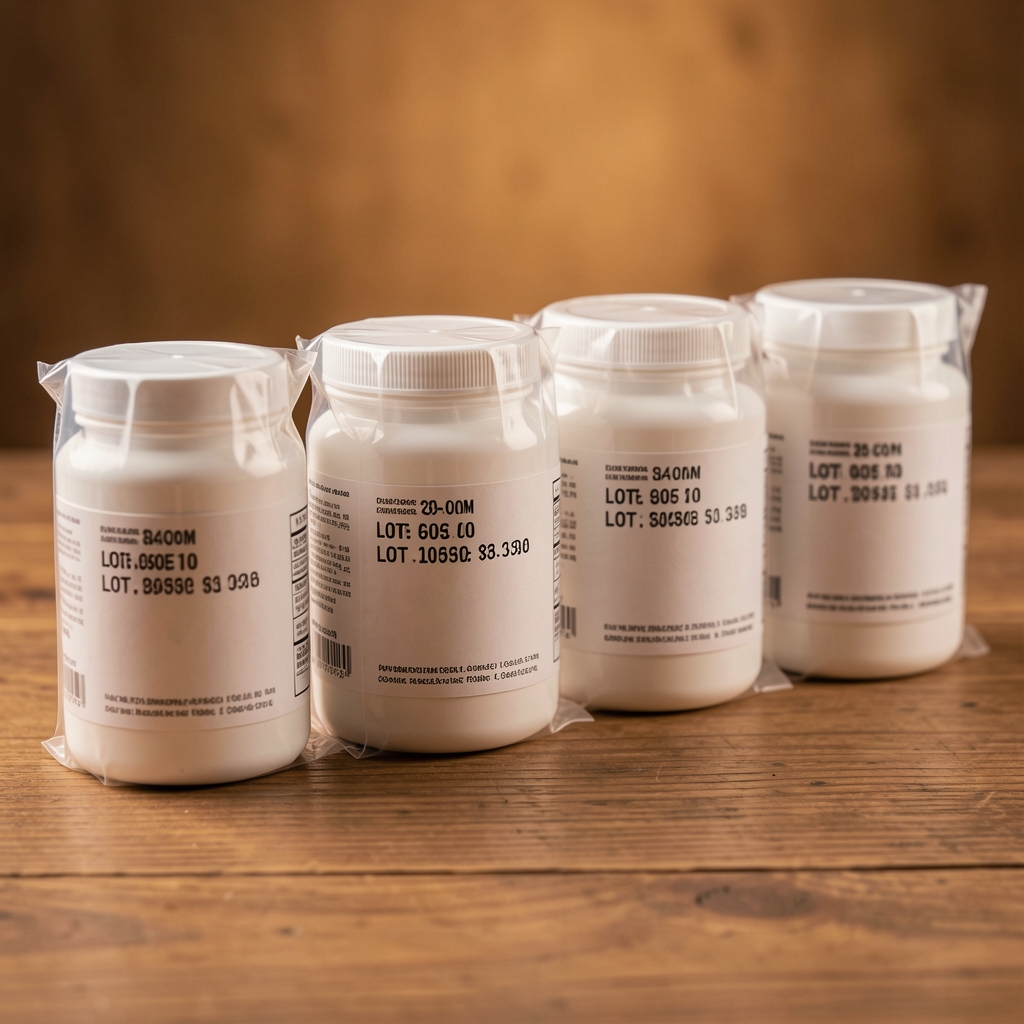
Production takes place at a contracted encapsulation facility operating under food-grade processing standards. Each production run is assigned a unique batch code — format WRW-YYYY-NN — that traces back to the specific lot of each ingredient used. The batch code is printed on the container and cross-referenced in the Toravel lot record database. Capsule shells across the entire range use hydroxypropyl methylcellulose (HPMC), a plant-derived material; no gelatin is used.

05
Stage Five — Independent Verification

Third-Party Batch Analysis

Each production batch is submitted for independent laboratory analysis before release. The analysis covers elemental concentration, ingredient ratio accuracy, and labelling compliance. Results are compared against the specification document for that product. Batches where the analysis falls outside the documented tolerance range are not released. The verification report becomes part of the permanent batch record, available to customers on request.

06
Stage Six — Archive Entry

Lot Record Documentation

Following verification, a complete lot record is assembled for each batch. The record includes: the batch code, production date, facility reference, a full ingredient list with supplier lot numbers, the certificate of composition, and the independent laboratory analysis summary. Records are maintained for a minimum of five years and are retrievable on request via the contact page.

07
Stage Seven — Ongoing Review

Formulation Revision Protocol

Toravel formulations are regarded as living documents. Each product specification carries a revision number (e.g., Revision 03-A). Revisions are issued when new nutritional research warrants a ratio adjustment, when a supplier change affects the ingredient origin map, or when an independent analysis suggests a labelling update. Revision history is archived and visible in the product specification document available from the services page.

02
Quality Standards

The Toravel Documentation Framework

Chain of Custody

Supplier Traceability

Every ingredient in every Toravel product can be traced to a named supplier and a specific production lot from that supplier. This chain-of-custody record is not reconstructed post-production — it is assembled in real time as ingredients are received and logged into the Toravel supplier archive.

Verification

Independent Laboratory Analysis

Batch verification is conducted by an independent laboratory with no commercial relationship to Toravel beyond the analytical contract. Results are not adjusted or selectively reported. The complete analysis summary is part of the lot record for each batch and is available to customers who request it via the contact form.

Labelling

Compliance & Accuracy

Toravel products are nutritional food-supplements registered with the applicable local regulatory authority under food-supplement classification. Products meet compositional and labelling requirements for nutritional supplement categories. Label claims are reviewed against the independent laboratory analysis for each batch before the label is approved for print.

Sourcing

Food-Grade Processing

Active ingredients are sourced from documented suppliers, with each batch accompanied by a certificate of composition. Sourcing prioritises suppliers whose facilities maintain food-grade processing standards. Regional origin is recorded in the supplier archive entry for each lot, creating a named-region material map for each product in the range.

Archive

Five-Year Record Retention

All lot records, supplier assessments, batch analysis reports, and formulation revision documents are retained for a minimum of five years from the production date of the relevant batch. Records are indexed by batch code and retrievable within three working days of a written request from a customer who holds the corresponding product.

Revision Control

Living Specification Documents

Each product specification carries a revision number that advances whenever a meaningful change is made to the formulation, supplier base, or labelling claims. The revision history for each product is archived and the current revision number is printed on the product container alongside the batch code, allowing customers to identify which version of the formulation they hold.

03
Editorial Notes

On the Purpose of a Written Standard

A methodology document is not a marketing claim. It is a description of a process — of decisions made and recorded, of materials chosen and traced, of results obtained and archived. The value of a written standard lies not in the language used to describe it, but in the degree to which the actual production sequence corresponds to the description.

Toravel publishes this methodology because we regard the correspondence between the documented process and the actual process as a primary obligation. When an independent laboratory analysis reveals a deviation from the specification, the lot record reflects that deviation and the batch is not released. When a supplier change affects the origin map for an ingredient, the revision number advances and the change is recorded.

The methodology described here applies to every product in the current Toravel range without exception. It applies to promotional batches in exactly the same way it applies to standard production runs. There is no separate quality tier. There is the process, and there is the record of it.

"A methodology document is not a marketing claim. It is a description of a process — of decisions made and recorded."

— Toravel Process Archive, Revision 04-C
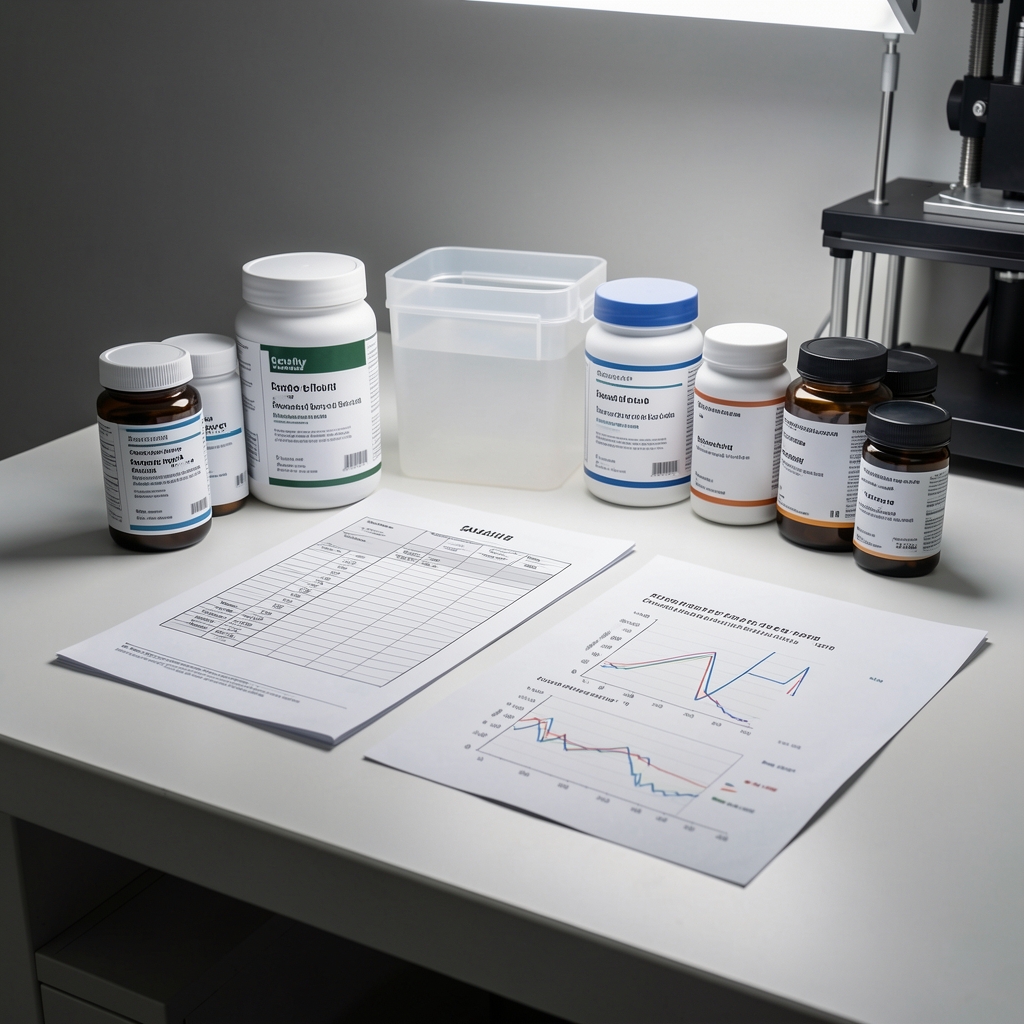
Quality-control workbench with supplement containers, batch documentation sheets, and elemental analysis printouts laid flat under controlled lighting
Batch Verification Visit — Warsaw, Q3 2024
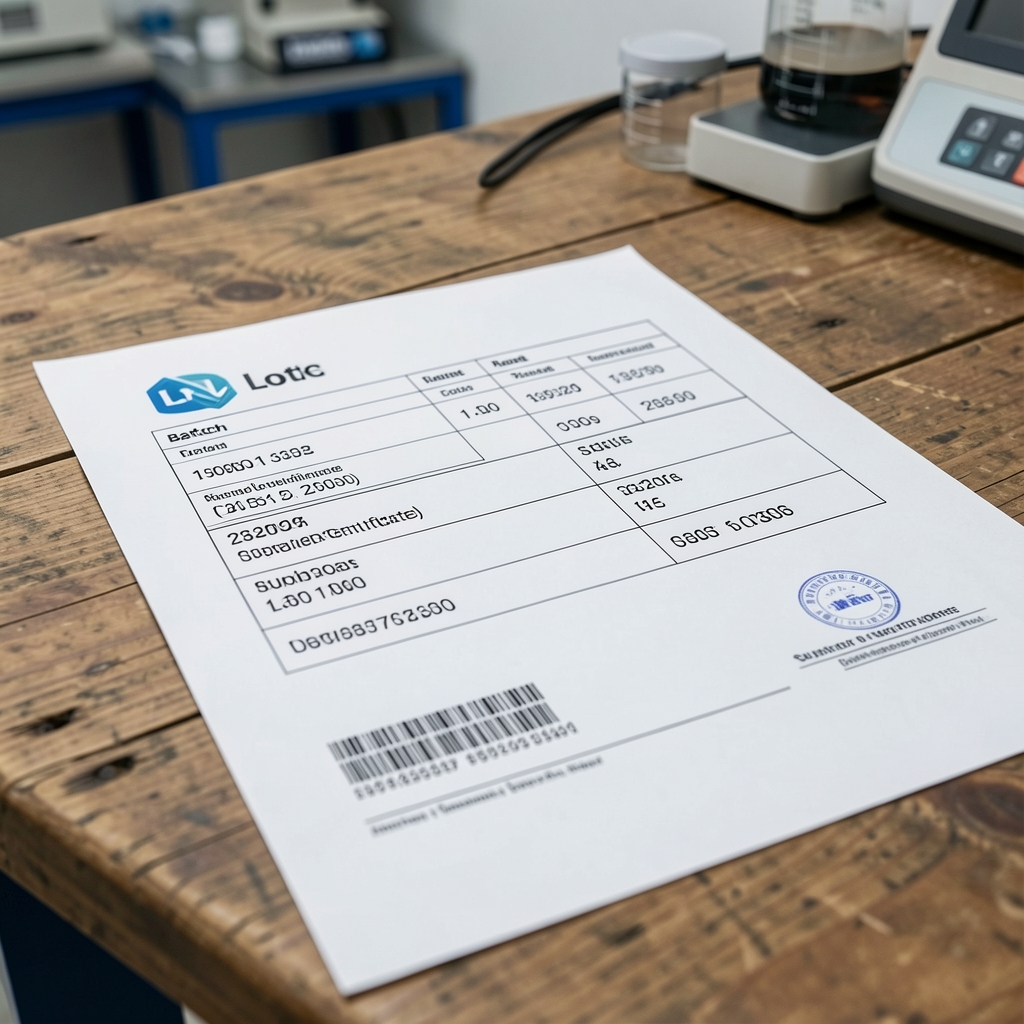
Close-up of printed lot record documentation with batch codes and supplier certificates laid on a wooden surface in a quality-control environment
Lot Record Archive — Document Revision 04-C
04
Supplier Overview

Regional Sourcing & Supplier Criteria

The Toravel supplier base is maintained as a documented archive. Each entry in the archive covers the supplier's facility location, processing standard classification, documented chain-of-custody capability, and history of batch-coded lot records provided to Toravel.

Regional sourcing is a preference, not an absolute requirement. Where a supplier in a closer geographic region cannot provide equivalent documentation quality to a supplier further afield, the documentation standard takes precedence. The origin map for each ingredient is recorded in the lot record regardless of proximity.

12+
Approved Suppliers in Archive
100%
Batches with Certificate of Composition
5 yr
Minimum Lot Record Retention
3 wd
Record Retrieval Response Time
7
Production Stages
14
Active Ingredients Across Range
3
Products in Current Range
04-C
Current Methodology Revision
05
Method Clarifications

Questions About the Process

Revisions are issued on an as-needed basis rather than a fixed schedule. The most common triggers are: new published nutritional research suggesting a ratio adjustment is warranted, a supplier change that affects the ingredient origin map, or an independent analysis that reveals a labelling accuracy improvement is possible. Minor revisions (designated with a letter suffix, e.g., 03-A to 03-B) reflect small adjustments. Major revisions advance the primary number.

Yes. Submit a lot record request via the contact page, including the product name and the batch code from your container. The Toravel documentation team will retrieve and forward the relevant certificate of composition and independent laboratory analysis summary within three working days.

In practical terms it refers to the handling, storage, and encapsulation conditions maintained by the production facility. Facilities operating under food-grade standards maintain documented cleaning and separation protocols to prevent cross-contamination between ingredient lots, temperature-controlled storage where compositionally required, and batch-coded production logs that allow a specific container to be traced to a specific production run.

Hydroxypropyl methylcellulose (HPMC) is selected for two reasons. First, it is a plant-derived material — consistent with the Toravel commitment to plant-based formulas throughout the range. Second, it is stable across a wider range of storage temperature and humidity conditions than gelatin capsules, which is relevant for customers in varying climates. The HPMC shell composition is noted in the lot record for each batch.

Next Step

Explore the Product Range